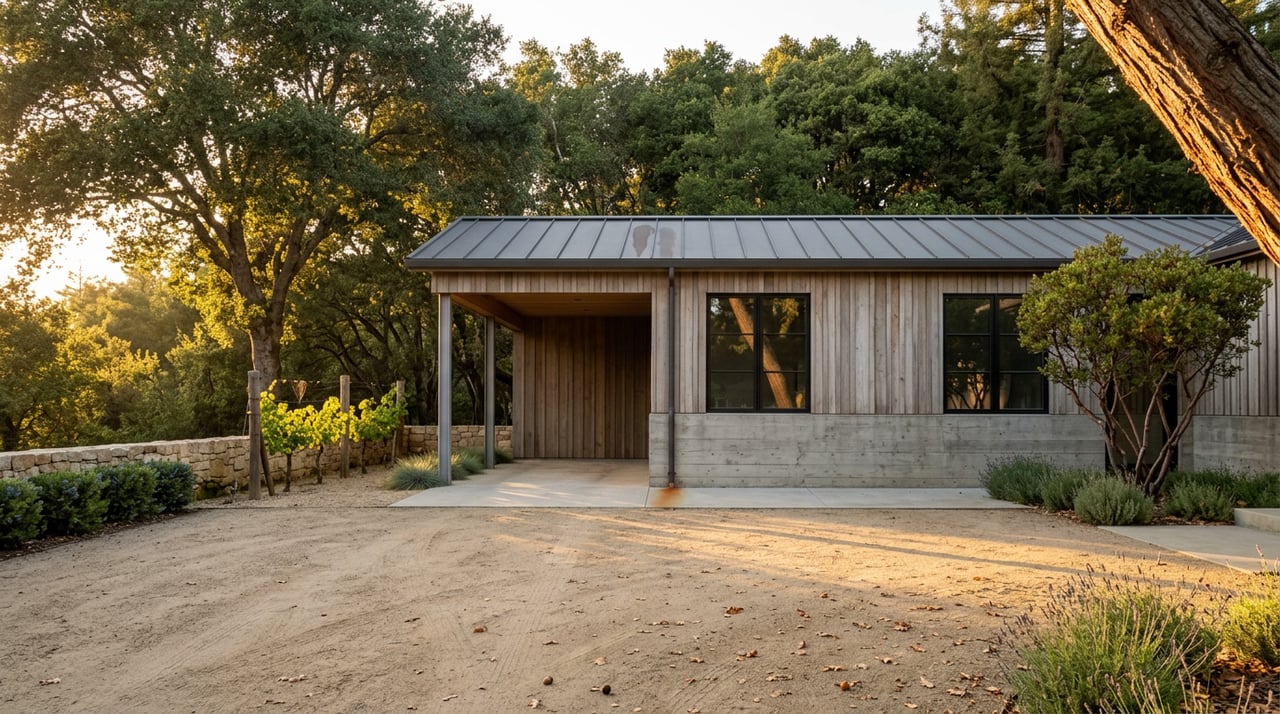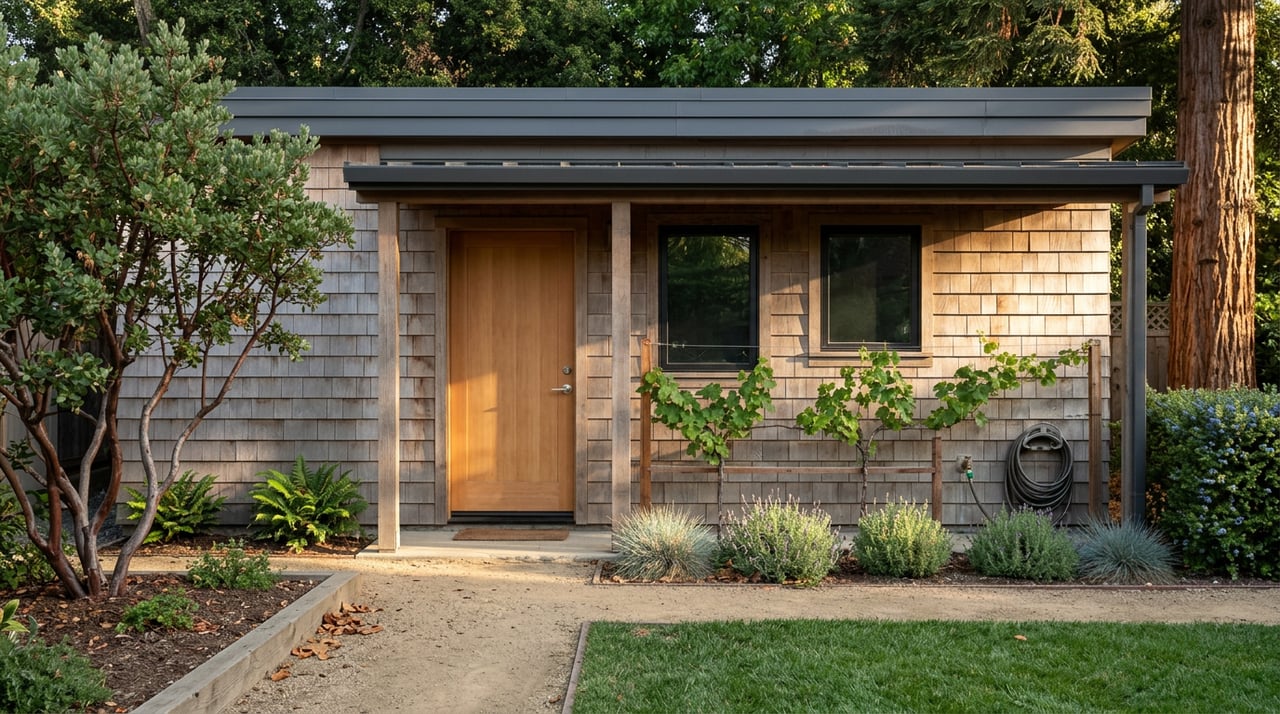
A homeowner in Soquel calls a contractor about converting the old barn behind the main house into a rentable unit. The contractor pulls the permit paperwork, gets to the utilities section, and pauses. Water isn't a simple hookup to the existing meter. Soquel Creek Water District requires its own separate service, its own capacity fee, its own inspection. The homeowner, who read somewhere that the county just finished a massive new water plant, asks the obvious question: didn't we just fix the water problem?
We did, and we didn't. That gap between what got built and what actually changed is the thing worth understanding before you put a shovel in the ground anywhere in Soquel.
The plant is real, and it is finished
Pure Water Soquel is not a rumor or a rendering. The advanced purification facility at Chanticleer Avenue and Soquel Avenue in Live Oak wrapped construction in 2025, a decade after the district first started planning it, at a cost of roughly $180 million. The system takes treated wastewater that would have otherwise flowed into the Monterey Bay National Marine Sanctuary, runs it through microfiltration, reverse osmosis, and UV treatment, and injects the result into the ground through seawater intrusion prevention wells sited near Monterey Avenue in Capitola, Willowbrook Lane in Aptos, and a third location near Twin Lakes Church in Aptos. In August 2026, the credit rating agency KBRA upgraded the district's bond rating on the project, citing the completed facility as evidence of strong financial performance.
That is a genuinely large infrastructure win for the roughly 40,000 people the district serves across Soquel, Capitola, Seacliff, Aptos, Rio Del Mar, and La Selva Beach. It is the kind of project that shows up in a bond analyst's report as a credit positive. It is not the kind of project that shows up as a discount on your ADU permit.
The district is still in an emergency, on paper
Here's the part that surprises people who assume the new plant means the pressure is off. As of the district's current rate schedule, Soquel Creek Water District is operating under a Stage 3 Water Shortage Emergency, a status the district itself attributes to ongoing threats to its groundwater basin. That basin is the sole source of drinking water for the entire service area, and state regulators have previously classified it as critically overdrafted, meaning more water has been pumped out over time than rain and recharge have replaced.
Pure Water Soquel exists specifically to reverse that overdraft. It is working. But reversing decades of groundwater decline is not something a single facility, however well built, completes on its opening day. The Santa Cruz Mid-County Groundwater Agency's sustainability plan runs annual reporting requirements through 2040, and Pure Water Soquel is described as the cornerstone of that plan rather than its finish line. The emergency designation and the metering rules that came with it were built for a multi-decade recovery, not a temporary drought year, which is exactly why finishing the plant didn't loosen them.
Why every new unit still needs its own meter
The mechanism that actually governs your ADU or new-construction budget is District Ordinance No. 25-01. It requires that all residential units, new single-family homes and new accessory dwelling units alike, be supplied through individually metered service connections monitored directly by the district. The only exception is a conversion ADU, meaning a unit built inside existing walls, like a garage conversion that doesn't add square footage. A detached new-build ADU does not qualify for that exception. If you're adding a structure rather than converting one, plan for a meter.
This isn't a leftover drought rule waiting to be repealed once the new plant proves itself. It's the district's permanent method for tracking exactly how much new demand every additional rooftop adds to a basin it is still working to stabilize through 2040. The metering requirement and the emergency status are two expressions of the same underlying math, and that math doesn't change just because the supply side got bigger.
The fee structure got more direct, not more forgiving
For two decades, the district ran a Water Demand Offset program that let new development pay into a shared fund covering low-flow toilet rebates, main flushing upgrades, and automated metering infrastructure, effectively spreading the cost of new water demand across a conservation portfolio. The district's water production fell 43 percent between 2000 and 2021 even as service connections grew about 6 percent, largely because of that program.
The board voted to sunset the Water Demand Offset program in 2023 after concluding it had done its job as a bridge while Pure Water Soquel was being built. In its place, the remaining costs of the district's metering infrastructure project are now recouped directly through water capacity charges paid by every new connection. In plain terms, new construction and new ADUs now carry more of that cost directly, rather than through a shared offset pool.
What this actually costs, in order
If you're planning a new unit in Soquel, here's the sequence and the real numbers behind it, straight from the district's own new-service materials:
| Step | Who pays | What it covers |
|---|---|---|
| Will Serve letter application | Applicant, district fee | Confirms the district can serve the new unit before you finalize plans |
| Water Capacity Fee | Applicant, calculated by fixture value units | Buys into the district's system capacity, using the New Meter Sizing Worksheet |
| Service line installation | Applicant hires a private contractor, not a district fee | Typically runs $12,000 to $15,000, entirely separate from anything paid to the district |
| Construction inspection deposit | Applicant | Covers a district inspector verifying the contractor's work meets district standards before the meter is turned on |
That contractor line item is worth sitting with. It has nothing to do with the district's rates or its emergency status. It's a private construction cost that exists regardless of how much water the plant produces, and it's frequently the number that catches people off guard because it doesn't show up on a district fee schedule at all.
What this means if you're evaluating a Soquel property
If you're looking at a Soquel listing partly because of ADU potential, whether for a rental unit, a home office, or multigenerational living, the water service question belongs in your due diligence right alongside septic, well, or sewer questions in other parts of the county. A lot depends on whether the existing structure has a conversion path or whether any addition counts as new construction in the district's eyes. That distinction alone can be the difference between a straightforward permit and a five-figure utility buildout before the first stud goes up.
It's also a useful data point if you're weighing Soquel against a neighboring community. The district's own materials describe one of the highest water conservation rates in the state among its customers, and the completed Pure Water Soquel project genuinely strengthens the long-term security of that supply for the whole mid-county grid, including Capitola and parts of Aptos. That's a real asset for anyone thinking in decades rather than in permit cycles. It just doesn't translate into a lighter bill for the next ADU built next door.
Frequently Asked Questions
Does a garage conversion need its own water meter? Only if it adds new plumbing fixtures that increase the unit's fixture value beyond what the existing service was sized for, and even then, true conversion ADUs that stay within existing walls are generally exempt from the new water service requirement. New detached structures are not.
Will Pure Water Soquel eventually end the Stage 3 emergency? The district has not tied a specific end date to the emergency designation in its public materials. The groundwater sustainability plan behind Pure Water Soquel runs through 2040, and the emergency status reflects the ongoing recovery of the basin rather than a temporary shortage that ends with one project.
Is the water capacity fee a flat rate? No. It's calculated from the total fixture value units on the district's New Meter Sizing Worksheet, so a small ADU bathroom and kitchenette will carry a different fee than a larger accessory unit with more fixtures.
Where can I read the actual ordinance? The district's Development Services and Rates & Fees pages at soquelcreekwater.org publish the current ordinance language, fee schedules, and construction cost sheets directly.
If you're weighing an ADU, a lot addition, or a full new build in Soquel and want to know what the water math actually looks like for your specific parcel before you commit to plans, that's exactly the kind of local homework Desantis Realty does with clients every week. Request Your Free Home Valuation and we'll walk the numbers with you before you spend a dollar on permits.