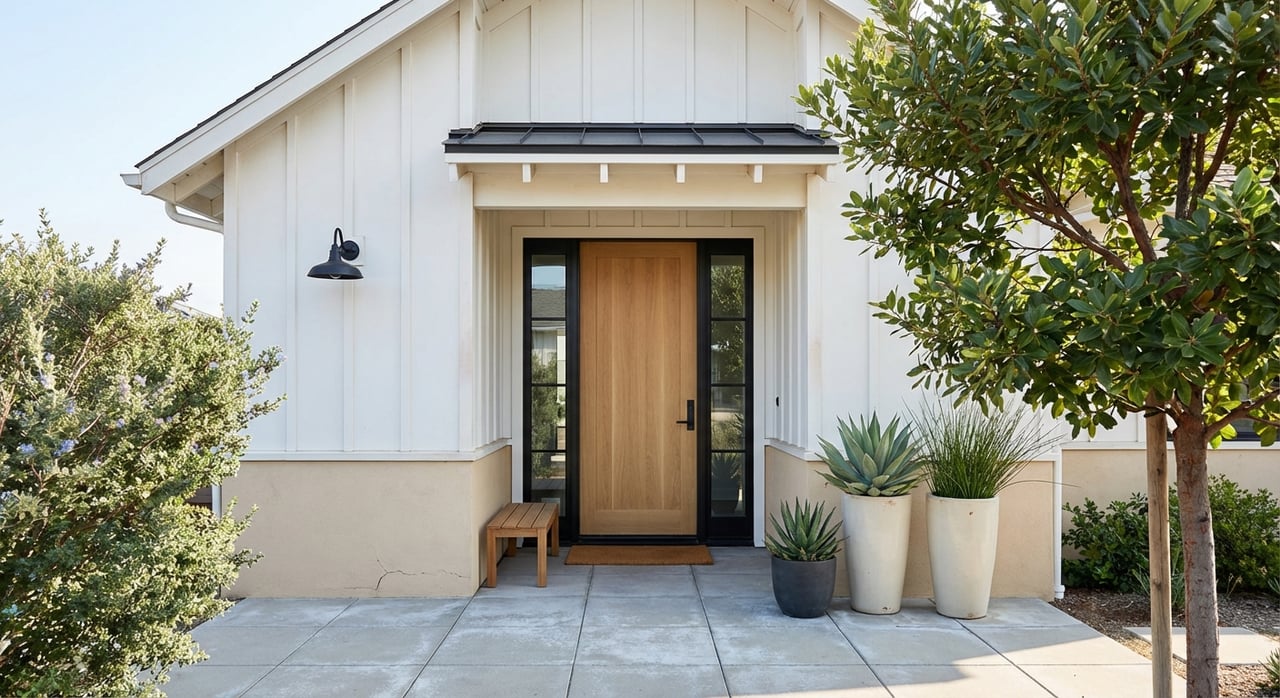
Selling in Capitola is not just about putting a sign in the yard. Coastal buyers expect clean lines, bright light, and proof that a home can stand up to salt air and winter storms. If you prepare with the right fixes, staging, and cinematic marketing, you can attract stronger offers and close with fewer surprises. In this guide, you’ll learn how to time your sale, what to repair first, which permits to check, and how to present your home so it shines online and in person. Let’s dive in.
Start with the Capitola market
Capitola is a premium but particular market. Inventory is often tight and well-presented homes move quickly, especially in sought-after areas like Depot Hill, Riverview, and the Jewel Box. Because public portals show different numbers for small coastal markets, rely on a local CMA and the Santa Cruz County MLS to set price and timing for your street. For context on low inventory and fast sales, review this local overview of recent conditions and seller tips from our team’s resource library at Desantis Realty Group.
- Read more on low inventory and seller strategy in Capitola: the Desantis Realty Group blog outlines why polished listings sell faster in this environment and how to prepare for launch. Capitola homes are selling fast despite low inventory.
Time the launch window
- Aim for spring through early summer when buyer traffic typically peaks. National and regional seasonality point to March through June as strong months for activity. NAR staging research also supports investing in presentation to cut time on market.
- Plan photos around the marine layer. On Monterey Bay, morning fog is common in spring and summer. Book exteriors for mid to late morning after skies clear, or schedule a twilight session for warm, dramatic curb appeal when daytime fog lingers.
- Check local event calendars. Festivals and summer concerts bring foot traffic and can affect street parking and photography. Avoid high‑tourist weekends for shoots and open houses when possible.
Fix what the coast wears out first
Salt air and moisture speed up wear on exterior systems. Buyers in beach towns look closely at these items and appraisers consider condition. Tackle them up front and keep receipts and warranties.
Roof, flashing, and gutters
- Repair or replace damaged shingles, flashing, ridge vents, and gutters. Salt accelerates corrosion and clogged gutters cause rot.
- Document any roof work and transferrable warranties. Roof replacements and many exterior repairs require permits in Capitola. Check scope early with the City’s Building Division. See Capitola’s permit guidance.
Exterior paint, trim, and siding
- Look for chalking paint and failed caulking on ocean‑facing walls. Prep and repaint with high‑performance exterior coatings.
- Consider durable materials in exposed areas, such as fiber‑cement siding or coated metals designed for coastal conditions. Industry guidance supports corrosion‑resistant finishes for seaside structures. Explore coastal materials options.
Metal hardware and fasteners
- Replace rusting hinges, railings, and deck fasteners with marine‑grade stainless steel (often 316) or coated alloys.
- Avoid ordinary galvanized fasteners in direct spray zones. Coastal installation guidance is clear that stainless or specialized coatings last longer. See coastal corrosion guidance.
Windows and doors
- Test operation, seals, and screens. Replace fogged insulated glass and repair worn weatherstripping.
- Structural changes to windows or doors can require permits. When upgrading, consider coastal‑rated lines for better performance. Review building science considerations.
HVAC and mechanicals
- Clean outdoor condensers and look for corrosion on housings and coils. Replace compromised parts.
- Service the system before listing so buyers see a clean maintenance record during inspections.
Decks, railings, and stairs
- Many Capitola homes center life on the deck or patio. Inspect for soft spots, rusted connectors, and guardrail stability.
- Use stainless fasteners and well‑sealed wood or composite decking. Structural deck work typically requires a permit. Confirm permits with the City.
Prevent and document moisture issues
Coastal humidity and winter storms raise the risk of mold and hidden moisture. Handle it before buyers or inspectors flag it.
- Track down water sources first. Fix roof, window, or plumbing leaks before any cosmetic work.
- Dry wet areas within 24 to 48 hours after any water intrusion.
- For areas larger than 10 square feet or any flooding contamination, hire a qualified remediation pro and keep the report to share with buyers. Follow EPA mold guidance.
Permits and coastal rules to confirm early
Capitola properties sit inside California’s coastal zone. Some exterior work that looks simple can still trigger coastal review or special timelines.
- Building permits. Roofing, decks, siding, and many exterior repairs require permits in Capitola. Begin the permit check 9 to 12 months out if you anticipate larger work. City of Capitola permits.
- Coastal Development Permits. Projects near the shoreline, bluff, or beach may need a Coastal Development Permit or an exemption. Start the conversation early with City or County staff so your schedule accounts for review. County coastal permit overview.
- Coastal Overlay Zone and LCP updates. Capitola’s Local Coastal Program can affect exterior changes. Check current rules and amendment timelines with planning staff before you start work. Coastal Overlay code reference.
Stage for a beach‑town buyer
You do not need a theme park look to sell a coastal home. Keep it fresh, bright, and edited so buyers can picture their own life steps from the sand.
- Focus rooms. Give priority to the living room, kitchen, and primary bedroom. NAR research on staging shows these spaces influence buyers the most and can reduce time on market.
- Color and texture. Use a neutral base with a few coastal accents. Keep decor restrained and consistent with the architecture.
- Outdoor living story. Set bistro seating on a balcony, stage a simple lounge on a deck, and show an easy path from interior to exterior.
- Durable pieces. In exposed areas, choose teak or treated metal and performance fabrics that read premium and hold up to salt air.
- Virtual staging. If the property is vacant, virtual staging is a budget‑friendly option. Clearly disclose it on the listing per MLS rules.
Photography and cinematic marketing that converts
Great presentation wins attention online first. Pair top‑tier visuals with a clear listing story and floor plan so buyers can understand the flow and outdoor connection.
Plan the shoot around light and fog
- Interiors: schedule for bright, even light and shoot HDR so windows with ocean views read clearly without blowing out.
- Exteriors: book mid to late morning after the marine layer clears. If fog persists, add a twilight session for a welcoming glow.
Use 3D tours and video to reach more buyers
- 3D tours and walkthrough videos help out‑of‑area buyers evaluate sightlines, layout, and outdoor spaces. They often increase qualified showings for higher‑end coastal listings. See staging and marketing impact.
Add aerials the right way
- Drone photos can show proximity to the beach and lot context. For any commercial marketing, the pilot must hold an FAA Remote Pilot Certificate and follow Part 107 rules. Confirm insurance and local restrictions. FAA commercial drone guidance. If you need to take off or land in a state park, permits may apply. California State Parks UAS rules.
Hire the right local pros
Capitola’s coastal conditions reward teams who know how salt, wind, and winter storms affect homes. Choose vendors with coastal experience and check their credentials.
Pros to consider
- Licensed general contractor for structural, roofing, and siding work.
- Pre‑listing home inspector with coastal experience.
- Mold and water‑damage remediation specialist, if needed.
- Coastal‑experienced roofer and exterior painter who specify corrosion‑resistant materials.
- Professional stager and real estate photographer who have sold in Santa Cruz County.
- FAA Part 107 drone pilot for aerials.
How to vet vendors
- Confirm licenses and active standing. For contractors, verify status through the California Contractors State License Board. How to check a contractor’s license. For inspectors, look for InterNACHI or ASHI affiliation. Inspector associations info.
- Request proof of insurance.
- Get written estimates that outline scope, materials, warranty, and who pulls permits.
- Ask for examples of coastal work in Capitola or Santa Cruz County.
- Insist on corrosion‑resistant specs for exterior assemblies.
Investor note and risk items
- Short‑term rentals. Capitola limits vacation rentals to mapped overlay areas and requires permits and local tax registration. Do not market a property for vacation rental use unless it is inside the allowed area and holds a valid permit. Rules can change and permits may not transfer on sale, so verify with the City before advertising an income angle.
- Coastal hazards. Flooding, storm surge, and bluff erosion may affect insurance, financing, and buyer questions. Disclose known hazards and any previous storm damage and repairs. City and state agencies continue to work on resiliency projects along the shoreline.
A 12‑month prep timeline
Starting early gives you the most control over scope, permits, and launch timing.
- 9 to 12 months out
- Order a pre‑listing inspection to surface roof, deck, and moisture issues.
- Scope any exterior work that may require permits and talk to City planning about coastal or LCP considerations. City permits. County coastal permit overview.
- Gather estimates and set a target launch window.
- 3 to 6 months out
- Complete permit‑level projects like roofing, siding, and structural deck repairs.
- Service HVAC and water heater. Keep receipts.
- Choose your stager, photographer, and 3D tour vendor. Lock dates around likely clear‑sky hours.
- 4 to 6 weeks out
- Deep clean, declutter, and complete paint and caulk touchups.
- Install staging or finalize a virtual staging plan and MLS disclosures.
- Draft the listing description and property website. If using aerials, confirm the pilot’s Part 107 certificate and any park permit needs. FAA drone rules. California State Parks UAS rules.
- 1 to 2 weeks out
- Capture twilight exteriors, 3D scan, and final stills.
- Compile your documentation packet for buyers: permits, warranties, service logs, and any remediation reports. EPA mold guidance.
- Launch mid‑week to maximize weekend exposure.
Seller’s quick checklist
- Roof and flashing inspected and repaired. Permits confirmed where required.
- Gutters cleaned and downspouts extended away from the foundation.
- Exterior paint and caulking refreshed on sun and spray sides.
- Rusted hardware and deck fasteners upgraded to stainless or coated.
- Windows and doors tuned. Fogged glass replaced.
- HVAC serviced. Outdoor condenser cleaned and corrosion checked.
- Deck and railings inspected. Structural work permitted if needed.
- Moisture issues resolved and documented per EPA guidance.
- Staging plan set for living room, kitchen, and primary suite.
- Professional photos, 3D tour, twilight session, and aerials scheduled. FAA Part 107 pilot verified if using drone.
- Documentation packet prepared for buyers.
A curated launch is where results happen. If you want a hands‑on plan that covers permits, trusted vendors, and cinematic marketing from start to sold, connect with our local team at Desantis Realty Group. We’ll map your timeline, manage the details, and position your Capitola home to stand out.
FAQs
What is the best time to sell a home in Capitola?
- Spring through early summer usually brings the most buyer activity. Plan curb appeal work and photography for that window and schedule exterior shots after the marine layer lifts or at twilight for the best light.
Which Capitola projects usually need permits before listing?
- Roofing, decks, structural window or door changes, and many exterior repairs require permits. Confirm scope with the City early. Capitola permit guidance.
Do Capitola homes near the beach need a Coastal Development Permit for repairs?
- Work near the shoreline, bluff, or beach may require a Coastal Development Permit or an exemption. Start with staff to confirm what applies to your project. County coastal permit overview.
Are drone photos allowed when marketing my Capitola home?
- Yes, with rules. Your operator must be FAA Part 107 certified and insured, and some parks require permits for takeoff and landing. FAA commercial drone guidance. California State Parks UAS rules.
How should I handle possible mold before I list my Capitola property?
- Fix the moisture source first, dry affected areas quickly, and hire a professional for larger or complex cases. Keep remediation reports for buyers. EPA mold guidance.
Can I market my Capitola home as a short‑term rental to attract investors?
- Only if it sits in the City’s vacation rental overlay and holds a valid permit and tax registration. Rules can change and permits may not transfer on sale, so verify details with the City before advertising rental potential.