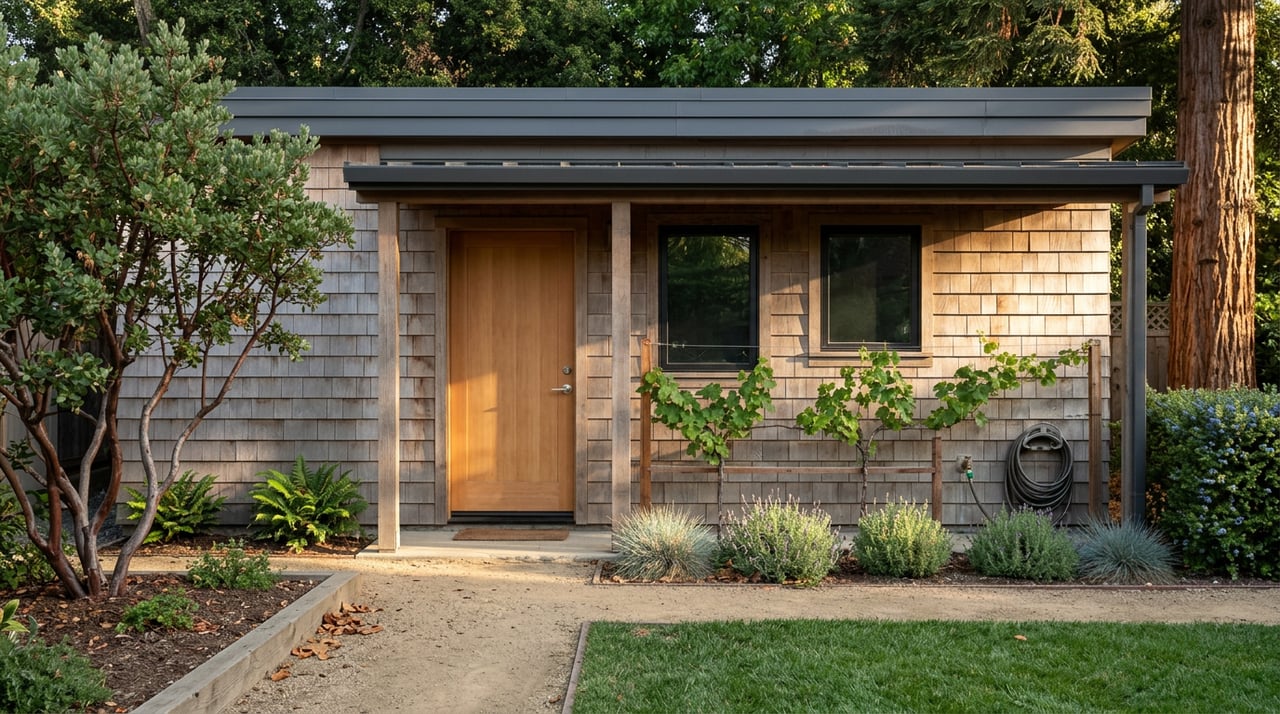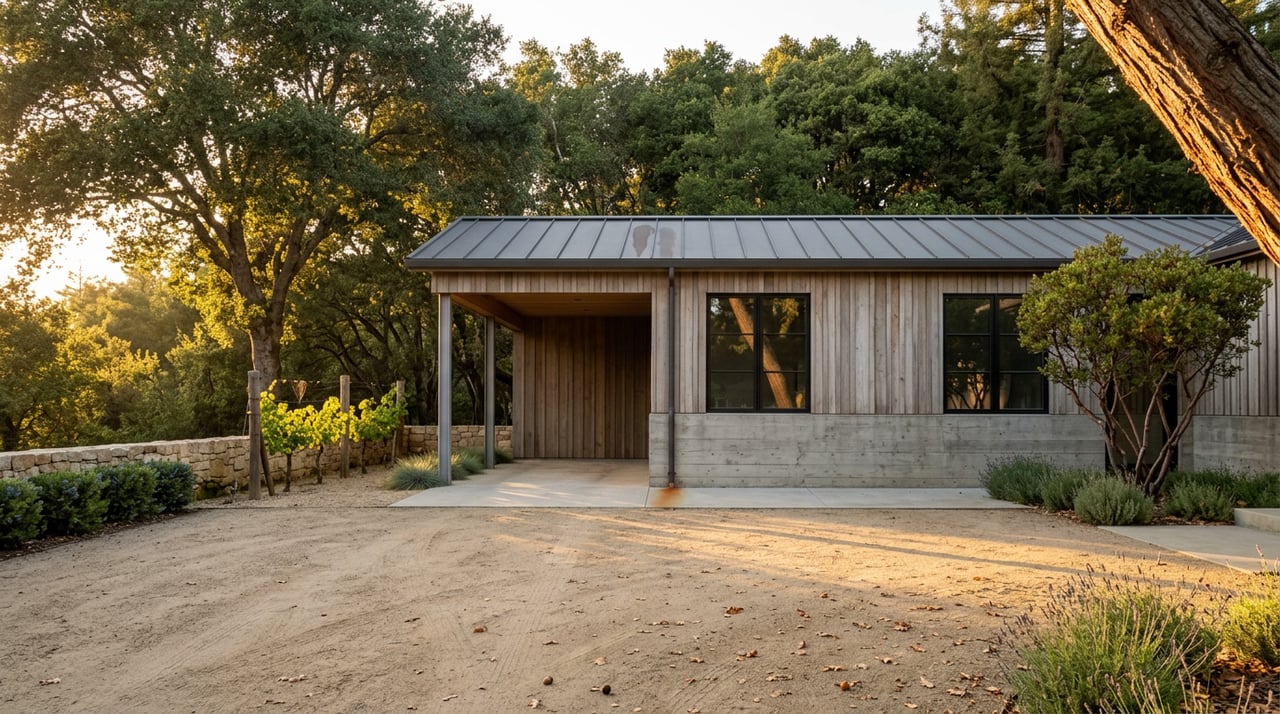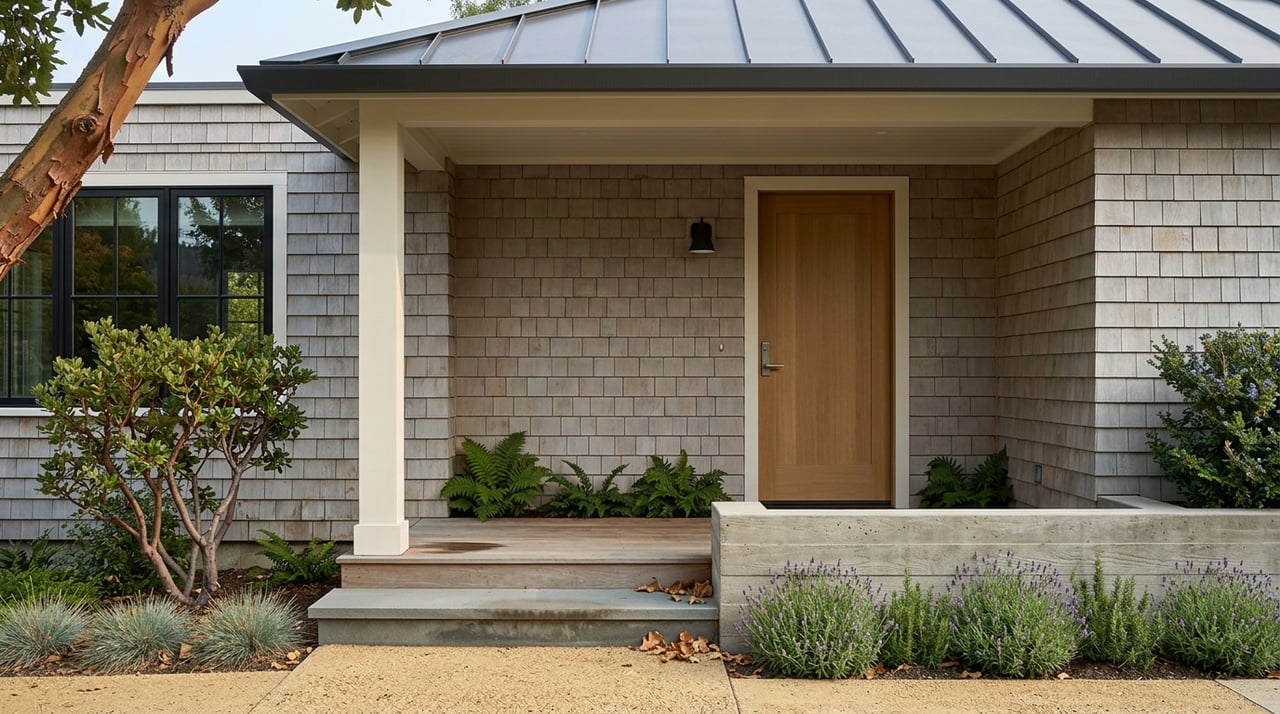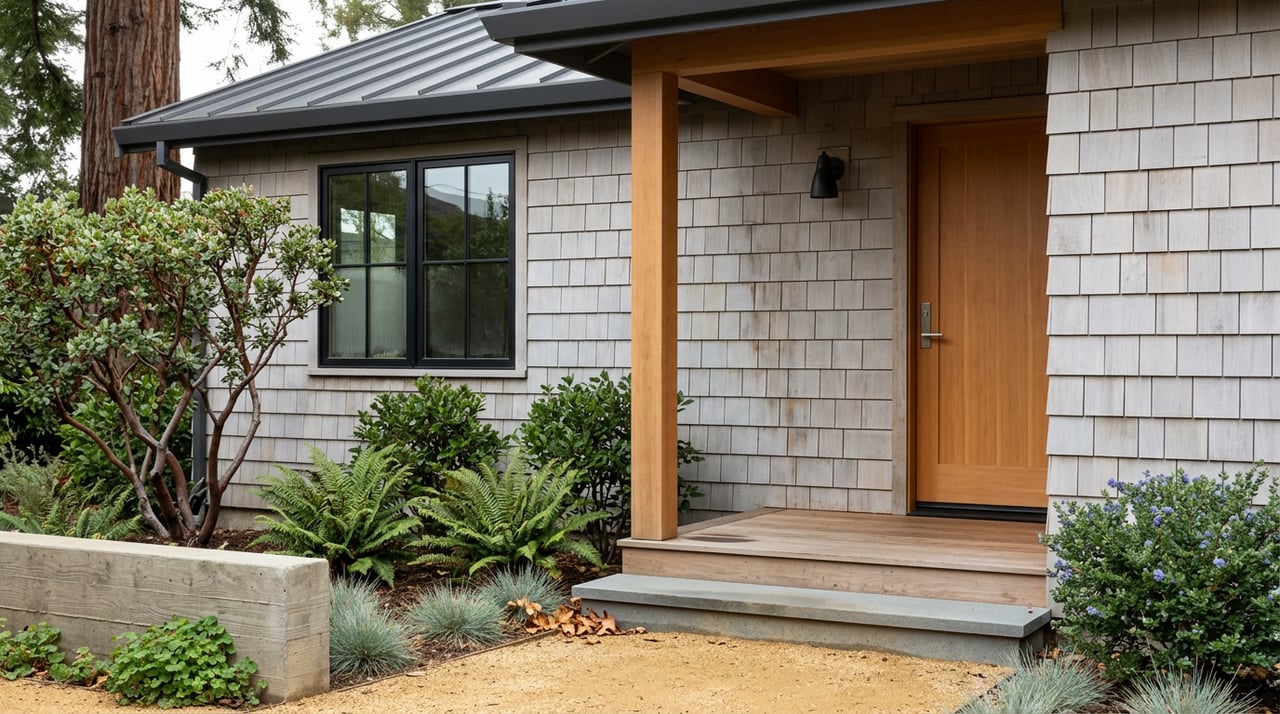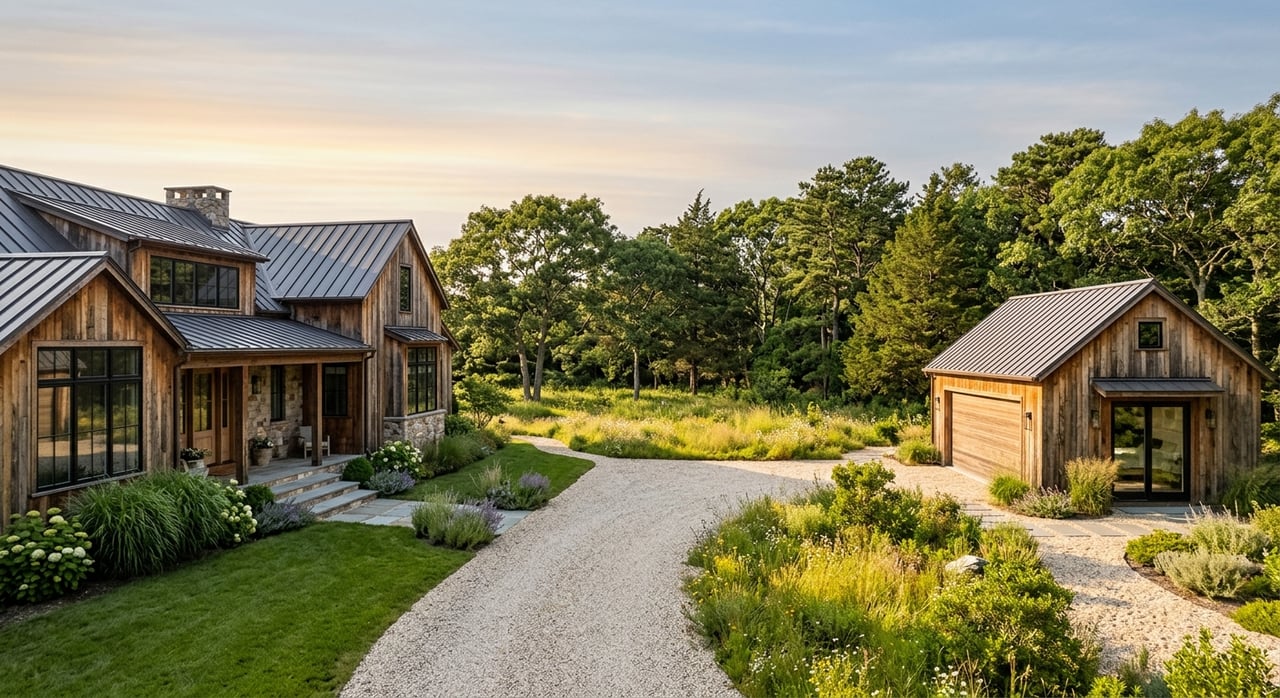
If you are selling a Soquel property with extra land, a barn, or space that might support an ADU, the usual listing playbook may not be enough. Buyers in this segment often look past the headline acreage and ask sharper questions about permits, utilities, septic, water, and what the land can actually do for them. The good news is that with the right preparation, you can tell a much stronger story about your property’s real value. Let’s dive in.
Why Soquel properties need a different sales strategy
Soquel is a selective market where details matter. In February 2026, Realtor.com reported 49 homes for sale in Soquel, a median list price of about $1.04 million, and homes selling an average of 1.11% below asking. Countywide in Santa Cruz County, the same source showed 669 homes for sale, a median list price of $1.20 million, 39 median days on market, and a 98% sale-to-list ratio.
That matters because a home with acreage or ADU potential is rarely judged on square footage alone. Buyers want to know whether the parcel is usable, whether improvements are legal, and whether future plans are realistic. In Soquel, the strongest listings are usually the ones that replace guesswork with documentation.
Lead with usable land
Acreage sounds impressive, but buyers usually respond best to land they can understand. Flat pads, accessible driveways, established utility lines, legal outbuildings, and clear access can carry more weight than a large parcel with unknown constraints.
Santa Cruz County’s zoning guidance explains that parcel standards can include setbacks, height limits, lot coverage, and floor-area-ratio requirements. It also notes that more restrictive setbacks may apply near streams, coastal bluffs, wetlands, agriculture, or other protected resources, and that a survey is the best way to confirm property lines.
What buyers want to see
When your property includes acreage, buyers are often looking for proof of function, not just potential. Useful items to gather can include:
- Recent survey information, if available
- Driveway and access details
- Utility service or meter information
- Documentation for barns, garages, sheds, or detached rooms
- Notes on flat or buildable areas
- Septic and water system records, if applicable
Santa Cruz County also warns that GIS map layers can be off by as much as about 300 feet in some rural and CZU burn areas. That is one reason why documented boundaries and improvements can be more persuasive than general map-based marketing.
ADU potential can add interest
ADU potential can absolutely attract buyers in Soquel, but only when it is framed carefully and factually. The county includes Soquel among its urban areas in its ADU financing guide, yet parcel-level status still matters because the Urban Services Line can affect what can be built and what it may cost. You can review that framework through the county’s ADU financing guide.
That means your listing should avoid broad claims like “easy ADU opportunity” unless the file supports it. A better approach is to show buyers which questions have already been answered and which ones they should verify with the county.
ADU questions that shape value
According to Santa Cruz County ADU materials, maximum ADU size can depend on parcel size, location, and whether the project is a new build or a conversion. The county also states that an ADU of up to 800 square feet usually requires only a building permit even if it exceeds lot coverage or floor-area-ratio limits, and that larger lots may support larger new-construction ADUs.
Smaller ADUs can also be easier to position in a listing story. The county says units under 750 square feet are exempt from impact fees and most building-permit review fees, while JADUs and conversion ADUs do not require new sewer or water connections and cannot be charged additional capacity fees. You can find those details in the county’s ADU planning and financing materials.
Utility costs matter in Soquel
Water service is a real part of the ADU conversation locally. Soquel Creek Water District rate information lists capacity charges of $5,414 for a 5/8-inch restricted meter, $10,828 for a standard 5/8-inch meter, and $27,071 for a 1-inch meter. The district also states that its Stage 3 Water Supply Shortage remains in place through 2025 and 2026.
For sellers, this does not mean ADU potential is less valuable. It means buyers are more likely to trust a property when the listing acknowledges the real-world utility and water questions that affect future plans.
Permits matter more than assumptions
If your property includes an older barn, detached room, shed, garage conversion, or workshop, permit history can be a major part of the value story. Santa Cruz County says assessor records do not establish whether a structure is legal, even if the improvement appears in tax records.
That is a key point for acreage properties. A detached space may look like a bonus to a buyer, but if there is no permit trail, it can quickly turn into a due diligence issue instead.
Check records before going live
Before listing, it helps to review:
- Planning and permit records
- Any known remodel or addition permits
- Records for garages, barns, detached bedrooms, or conversions
- Whether recent contractor-performed work may need to be disclosed
The county notes that Planning has maintained records since 1956 and that permit history from 1985 to the present can be checked online. If your home has had recent additions or structural changes, disclosure rules may also apply when the seller accepts an offer within 18 months of transfer.
Septic and water can shape buyer confidence
On larger or more rural-feeling Soquel parcels, septic and water documentation can be just as important as interior upgrades. Santa Cruz County requires a septic inspection report before closing for properties served by onsite wastewater treatment systems.
If the system is failing, the seller must repair it or the buyer may take responsibility within 90 days through a filed transfer-of-responsibility form. For buyers, that is not a small detail. For sellers, having this information ready can reduce uncertainty and help the transaction move more smoothly.
Well and water testing requirements
If the property is served by an individual water system such as a domestic well, spring box, or stream diversion, the county says sellers must complete water-quality and yield testing before transfer. If there is more than one active potable water source, each source must be tested.
This is one of the clearest examples of why acreage marketing should be documentation-first. A buyer is much more likely to see value in a rural or semi-rural parcel when critical systems have already been organized and disclosed.
Disclosures should be clear and complete
California sellers and their agents must disclose facts that materially affect a property’s value or desirability. The state’s Natural Hazard Disclosure requirements cover flood, dam-inundation, fire-hazard, wildland-fire, earthquake-fault, and seismic-hazard zones, as outlined in California Civil Code.
For acreage properties, these disclosures can carry extra weight because buyers may already be thinking about insurance, future expansion, road access, and site conditions. A well-prepared listing package gives buyers a clearer picture upfront and helps prevent surprises later.
How to position your Soquel property well
The most effective message is usually not “look how much land this property has.” It is “here is what this land offers, here is what is documented, and here is what buyers can evaluate with confidence.”
That approach fits the realities of the Soquel market. Buyers are not only purchasing a home. They may also be evaluating an extra structure, a future ADU path, a utility setup, or a long-term land use opportunity.
A stronger pre-listing checklist
If you are preparing to sell a Soquel home with acreage or ADU potential, consider organizing these items before you hit the market:
- Parcel survey, if available
- Permit history and planning records
- Septic inspection documentation
- Well or individual water system test results, if applicable
- Utility and meter details
- Information on outbuildings and accessory structures
- Notes on flat pads, access points, and other usable-land features
- Any county research related to zoning or ADU feasibility
This kind of preparation does more than answer buyer questions. It can also support stronger pricing, cleaner negotiations, and a more polished listing presentation.
Why presentation still matters
Even on a highly technical property, presentation plays a major role. Once the facts are organized, the next step is showing buyers how the home and land live together, whether that means privacy, outdoor use, workspace flexibility, or future expansion possibilities.
That is where a thoughtful listing strategy can make a difference. When strong visuals are paired with clear documentation and a parcel-specific story, your property is better positioned to stand out in a market where buyers often compare possibility against risk.
If you are thinking about selling a Soquel home with acreage, an outbuilding, or ADU potential, working with a local team that understands both presentation and due diligence can help you put the right story in front of the market. For tailored guidance and a strategy built around your property’s unique strengths, connect with Desantis Realty Group.
FAQs
What does ADU potential mean for a Soquel home sale?
- ADU potential means buyers may see added value in a property that could support an accessory dwelling unit, but in Soquel that value depends on parcel-specific factors such as lot size, location, utility access, the Urban Services Line, and county rules.
What documents help sell a Soquel acreage property?
- The most helpful documents often include permit history, survey information, septic records, well or water system reports if applicable, and records for barns, garages, sheds, or detached rooms.
What should sellers disclose for a Soquel property with land?
- Sellers should disclose material facts that affect value or desirability, including natural hazard information and, where applicable, conditions related to septic systems, individual water systems, and recent contractor-performed improvements.
Do assessor records prove a Soquel outbuilding is permitted?
- No. Santa Cruz County states that assessor records may show improvements for tax purposes, but they do not establish whether a structure was legally built.
Why is usable land more important than total acreage in Soquel?
- Buyers often place more value on land that has clear access, known boundaries, documented infrastructure, and realistic building or use options than on a larger parcel with unresolved questions.
Can a Soquel garage conversion help market ADU potential?
- It can help spark buyer interest, but the value is much stronger when the conversion’s permit status, utility setup, and county requirements are clearly documented.