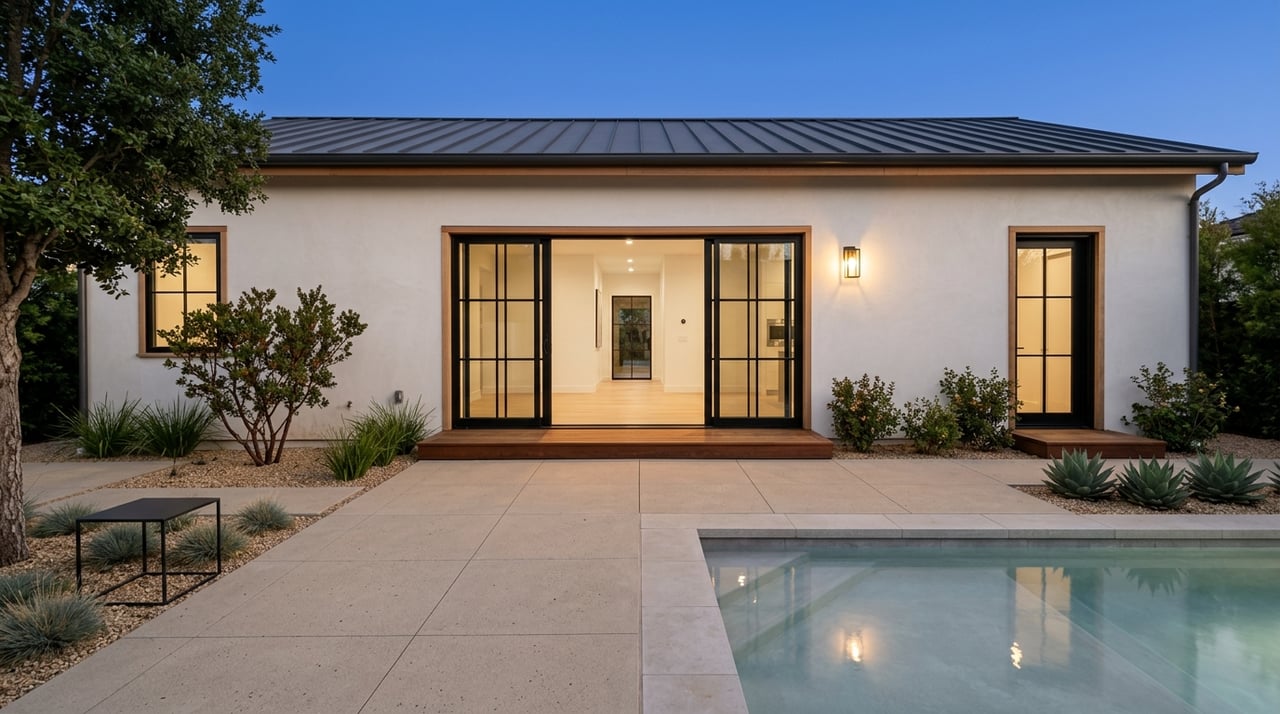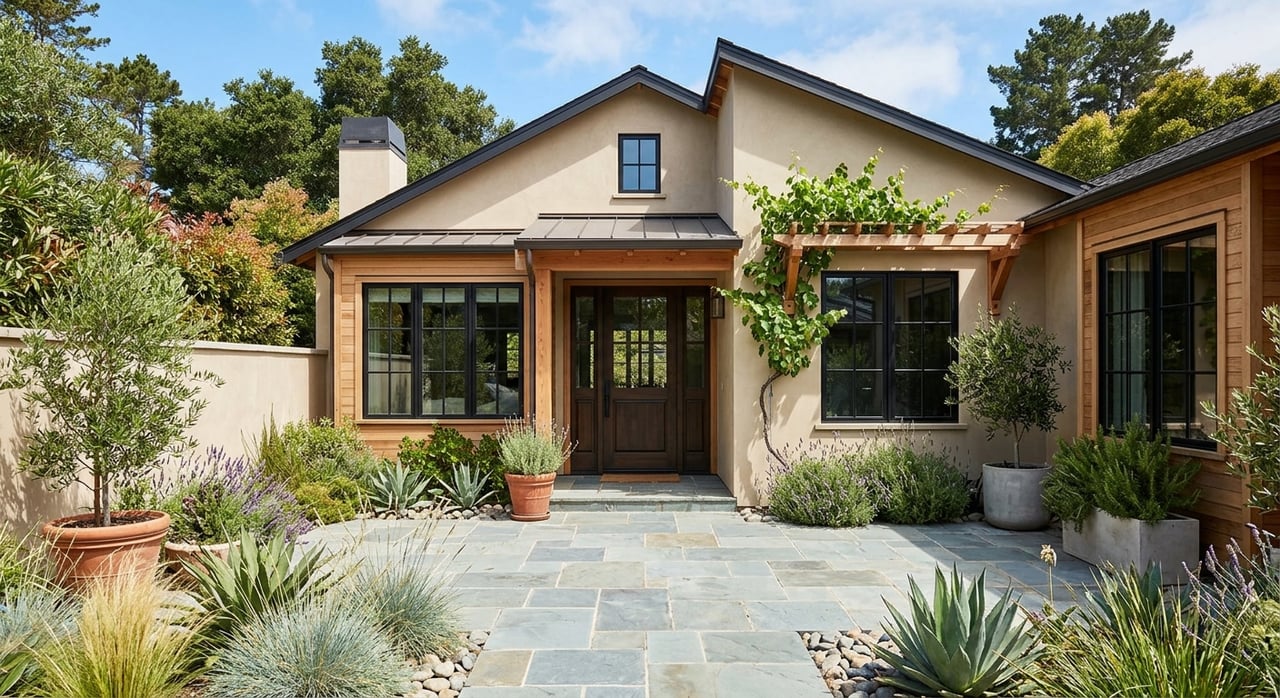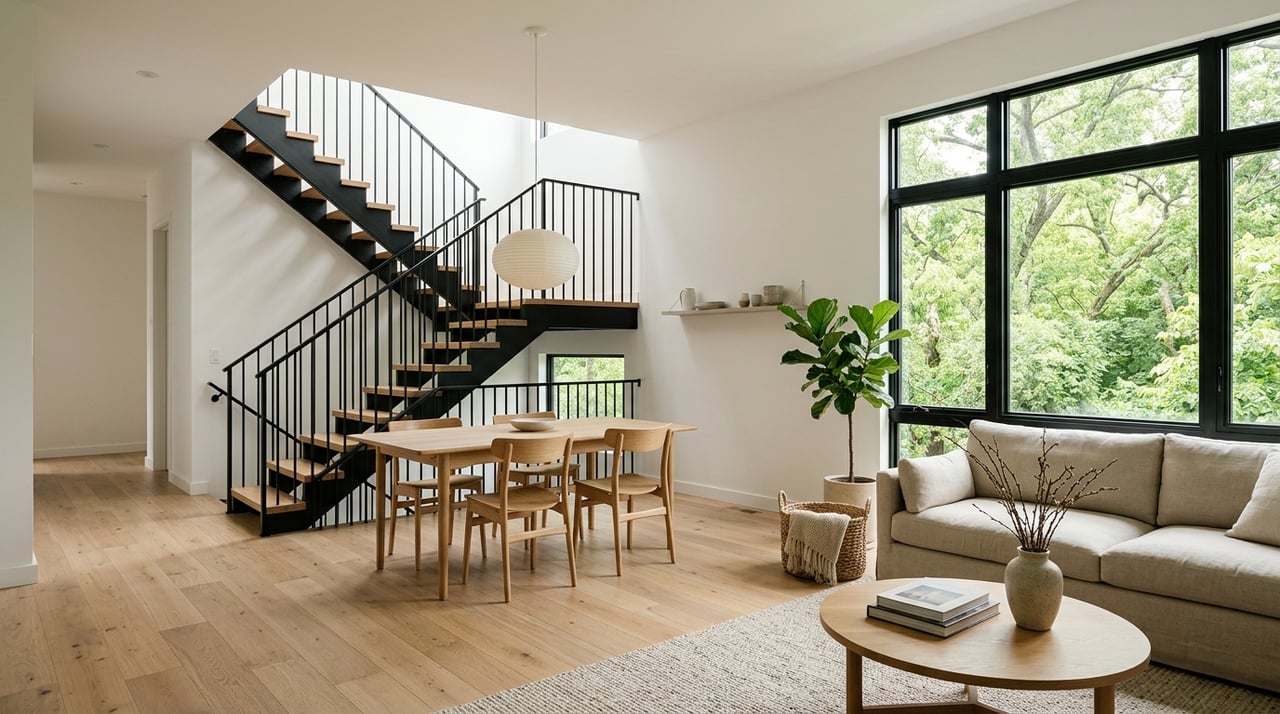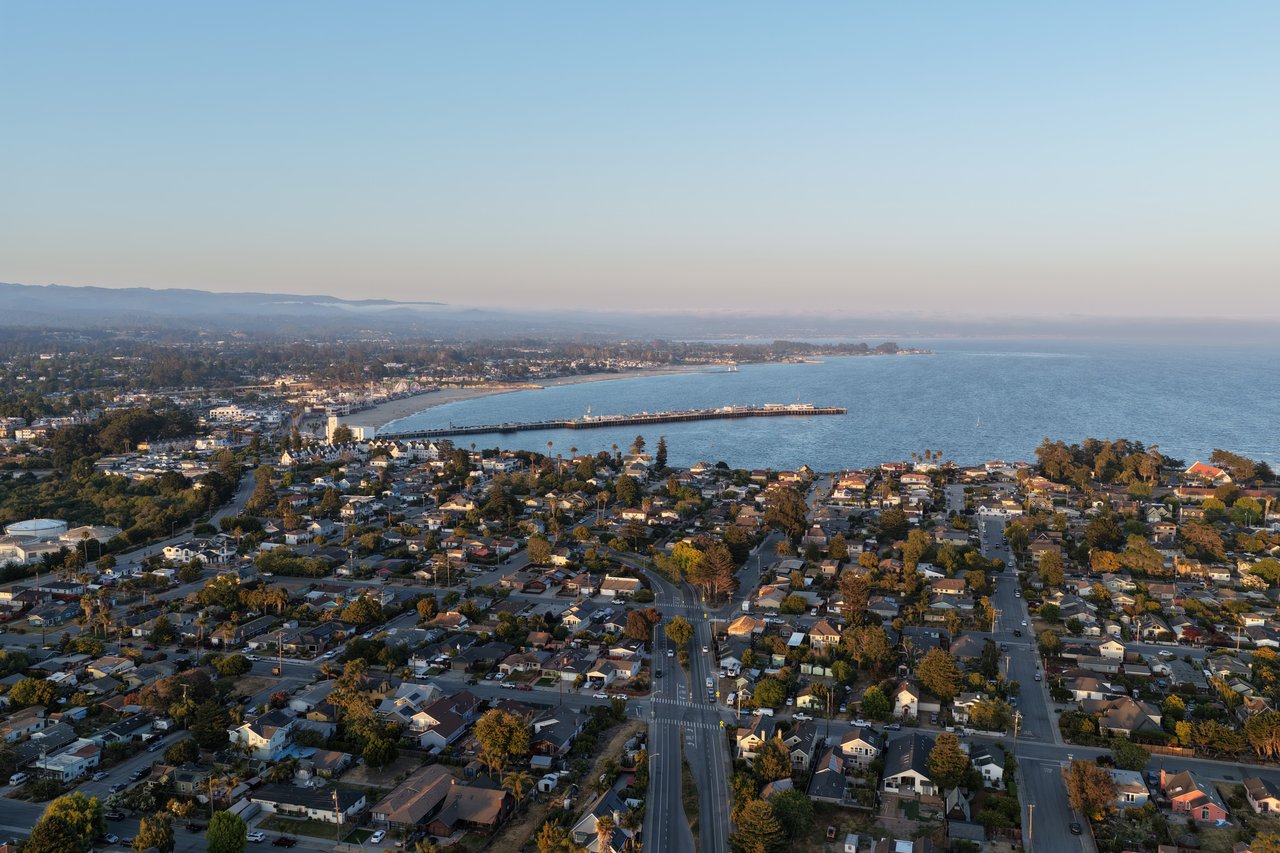
You might be looking at East Cliff after a weekend walk, a few open houses, or years of driving past the bluff and thinking what many buyers think. The setting is easy to understand. Ocean air, surf breaks, long views, and a stretch of Santa Cruz that feels active without feeling rushed.
Then the practical questions show up. What's it like to live there every day, not just on a sunny afternoon? How much of the appeal holds up once parking, path access, maintenance, bluff conditions, and resale enter the picture?
That's where East Cliff deserves a more grounded conversation. It's one of the more recognizable coastal pockets in Santa Cruz, but it is not interchangeable with other beach-adjacent neighborhoods. Buyers who do well here usually are not chasing scenery alone. They understand the trade-offs and decide those trade-offs still fit the life they want.
Table of Contents
- An Introduction to East Cliff
- The Lifestyle and Character of the Neighborhood
- East Cliff Real Estate and Housing Market
- Outdoor Recreation and Evolving Coastal Access
- Location Commute and Local Services
- Important Considerations for Coastal Properties
- An Invitation to Explore East Cliff with Confidence
An Introduction to East Cliff
East Cliff tends to enter the conversation through visuals. People know the drive, the cliff edge, the surfers, and the broad coastal outlook. That first impression is real, and it matters. Living near the water changes your daily rhythm in small ways, from when you open windows to how often a quick walk becomes part of your routine.
But East Cliff is not just a postcard stretch. Housing decisions here usually come down to details that do not show up in travel guides. Buyers start asking about bluff-side wear, street patterns, access points, noise at different times of day, and how close "near the coast" feels to errands and appointments during the week. Those are the right questions.
What people usually notice first
The obvious appeal is the coastline itself. Views are part of the experience, and in many homes, the outdoor space gets used as much as the interior because the setting invites it. There is also a strong neighborhood identity here that feels distinct from downtown, Capitola, and inland Santa Cruz pockets.
For readers comparing coastal micro-markets, the broader Santa Cruz neighborhood guide helps place East Cliff in context with surrounding areas.
East Cliff works best when you value coastal access enough to accept the extra diligence that coastal ownership requires.
Where the real decision gets made
In practice, East Cliff is less about fantasy and more about fit. Some buyers want a bluff-adjacent lifestyle and are comfortable reviewing disclosures carefully, budgeting for exterior upkeep, and living with seasonal activity around popular surf and beach areas. Others discover they prefer more separation from the shoreline, even if they still want quick coastal access.
That is why this neighborhood rewards patience. The right home in East Cliff can feel deeply satisfying. The wrong one, bought for the view alone, can create avoidable stress.
The Lifestyle and Character of the Neighborhood
A typical East Cliff day starts before work. Someone is out with a dog at first light, a neighbor is checking the marine layer from the front steps, and another resident is deciding whether to walk the bluff path now or wait until the afternoon wind picks up. That rhythm is real, but it tells only part of the story. Daily life here is also shaped by maintenance schedules, parking patterns, and the fact that one block can feel settled while the next sees steady public use.

A neighborhood shaped by history and use
East Cliff feels accumulated over time. You see older beach-area houses next to substantial remodels, long-held family properties near homes redesigned around light and outdoor living, and streets where the original pattern still shows through after years of updates.
That history creates a neighborhood texture you can see without a demographic chart. The area feels residential first, even in highly visible stretches, and that affects how people relate to it. Residents are not just passing through for the view. They know which corners stay busy, which routes get more foot traffic on warm weekends, and which homes need more exterior attention because of their exposure to salt air and wind.
East Cliff also has a strong local identity without feeling staged. Some coastal neighborhoods trade heavily on image. East Cliff tends to reveal itself through routine and long-term use.
What daily life feels like
The day-to-day character is active, but not in a downtown way. Surfers check conditions, dog owners follow familiar loops, and neighbors use the coast as part of ordinary life instead of treating it like a special outing.
That said, the experience changes block by block.
A house near a well-used access point can feel very different from one set farther back or slightly off the main corridor. Privacy, parking friction, pedestrian volume, and even street noise can vary more than buyers expect on an initial tour. In practice, that is where lifestyle fit gets decided.
A few realities tend to shape the experience:
- Outdoor use is constant: Residents use the setting, which gives the area energy but also keeps the public edge of the neighborhood active.
- Micro-location matters: Proximity to paths, surf breaks, and pullout areas can change the feel of a property more than the map suggests.
- Coastal living comes with upkeep: Salt air, sun exposure, and moisture mean exterior materials, windows, railings, and decks often need closer attention than they would inland.
- Access patterns are not static: As coastal paths and shoreline conditions change over time, some areas gain more day-to-day activity while others feel more buffered.
East Cliff shows its character in daily habits, not commercial activity. You understand it by watching how residents use the neighborhood over time.
The tone is relaxed, but not sleepy
The overall tone is casual and lived-in. It is also more dynamic than buyers sometimes expect. Early mornings can feel quiet and local. Sunny afternoons, weekends, and good surf conditions bring a different level of movement.
That mix is part of what makes East Cliff appealing to the right buyer. It suits people who want the coastline woven into daily life and who are realistic about the trade-offs that come with public access, evolving shoreline conditions, and the maintenance demands of a coastal property.
East Cliff Real Estate and Housing Market
A buyer walks into two East Cliff homes listed at similar prices and wonders why one feels like a stretch while the other feels justified. Usually the answer is not square footage alone. In this part of Santa Cruz, value is shaped by street position, view orientation, condition, parking, and how much coastal upkeep the property is likely to require.
East Cliff works as a true micro-market. The housing stock changes block by block, and sometimes lot by lot. Buyers see older cottages, remodels that open toward the light, and higher-end renovations built around decks, windows, and outdoor living. Listings in recent years have also shown a wide pricing spread, which reflects how much the ownership experience can change within a relatively small area.
What the housing stock typically looks like
After enough tours, the pattern becomes clear. Many homes are smaller and more compact than buyers expect if they are comparing East Cliff to inland neighborhoods with larger lots and newer construction. The trade-off is usually location and orientation. Homes here often emphasize natural light, usable outdoor areas, and a connection to the coast more than extra bedrooms, oversized garages, or expansive storage.
Common layouts include cottages and updated homes with modest footprints, practical bedroom counts, and outdoor spaces that do a lot of work. Decks, patios, and small yards often matter as much as one extra interior flex room. Buyers who understand that tend to judge these homes more accurately.
That is also why East Cliff can draw some of the same buyer interest as other coastal communities while offering a different daily experience than living in Aptos with its beaches, trails, and neighborhood rhythm.
What works well for buyers
The strongest purchases usually start with clear priorities. Buyers who stay happy with East Cliff over time often focus on the following:
- Street position: A small shift inland or away from a more active bluff-front stretch can change privacy, parking conditions, and daily noise.
- View value versus upkeep: Big windows, exposed decks, and ocean-facing improvements add appeal, but they also tend to need more frequent attention in the coastal environment.
- Outdoor usability: Protected outdoor space often adds more practical value than raw interior square footage.
- Condition of past remodel work: Cosmetic upgrades are common. What matters is whether exterior materials, drainage, windows, and weather exposure were handled well.
What tends to create regret
The mismatches are fairly predictable. A buyer falls for the setting, then realizes the garage is tight, storage is limited, guest parking is inconsistent, or exterior maintenance will cost more than expected. Another buyer chooses a front-row location without thinking through how public activity nearby may affect privacy.
This market rewards specificity. A house can be appealing and still be the wrong fit if the ownership demands do not match the buyer's tolerance for maintenance, noise, or exposure.
Practical rule: Evaluate East Cliff homes in regular conditions, not just on a bright weekend afternoon. A normal weekday visit often gives a more accurate read on the property.
Sellers benefit from the same realism. The homes that perform best are usually presented with a clear understanding of their actual strengths, condition, and trade-offs.
Outdoor Recreation and Evolving Coastal Access
A typical East Cliff morning can start with a clean walk above the water and end with a crowded access point by late afternoon. That shift is part of daily life here. Buyers who picture constant calm usually need a more grounded read on how these routes work.
Outdoor recreation is one of East Cliff's strongest everyday advantages. Surf access, blufftop walking, tidepool stops, and quick ocean exposure are built into the neighborhood in a way few Santa Cruz areas can match. The practical question is not whether recreation exists. It does. The question is how usable it feels for your routine, your mobility, and the times of day you will be outside.

That distinction matters more than visitors expect.
Recreation is easy to reach, but not every route feels the same
Pleasure Point and the bluffline give East Cliff a strong outdoor identity, yet the experience varies block by block. Some stretches support an easy daily walk. Others feel more exposed, busier, or less intuitive if you are carrying surf gear, walking with kids, or trying to avoid conflict with faster bike traffic.
I tell buyers to test the route they expect to use most, not the one that photographs best. A ten minute walk to the ocean can feel very different depending on curb access, crossing points, path width, and how many people are using the corridor at the same time.
For readers comparing East Cliff with a nearby coastal area that has a different pace and trail pattern, this guide to living in Aptos, including beaches, trails, and daily lifestyle offers a useful contrast.
Coastal access changes over time
One point buyers often miss is that coastal access here is not fixed. It evolves through erosion response, public access improvements, parking management, and county-level planning around multimodal use. That affects the lived experience more than real estate descriptions usually suggest.
That is especially relevant for residents who want a predictable walking route, not just proximity to the water. A design change that feels minor on paper can alter comfort, noise, and movement patterns in day-to-day use.
What to check in person
If outdoor access is one of your main reasons for considering East Cliff, evaluate it like an owner would:
- Walk the route at the hour you will use it. Early morning, school pickup hours, and weekends can feel like different places.
- Check how you reach the bluff or stairs. Map distance is less important than whether the path feels direct and comfortable.
- Watch how users mix together. Walkers, cyclists, surfers, dog owners, and parked cars all shape the experience.
- Look at the condition of access points. Coastal wear, deferred repairs, and stair or railing conditions matter if you plan to use them often.
East Cliff still delivers the kind of outdoor living that keeps people here for years. The better judgment is whether the access pattern fits your real routine, and whether you are comfortable with a shoreline environment that keeps changing.
Location Commute and Local Services
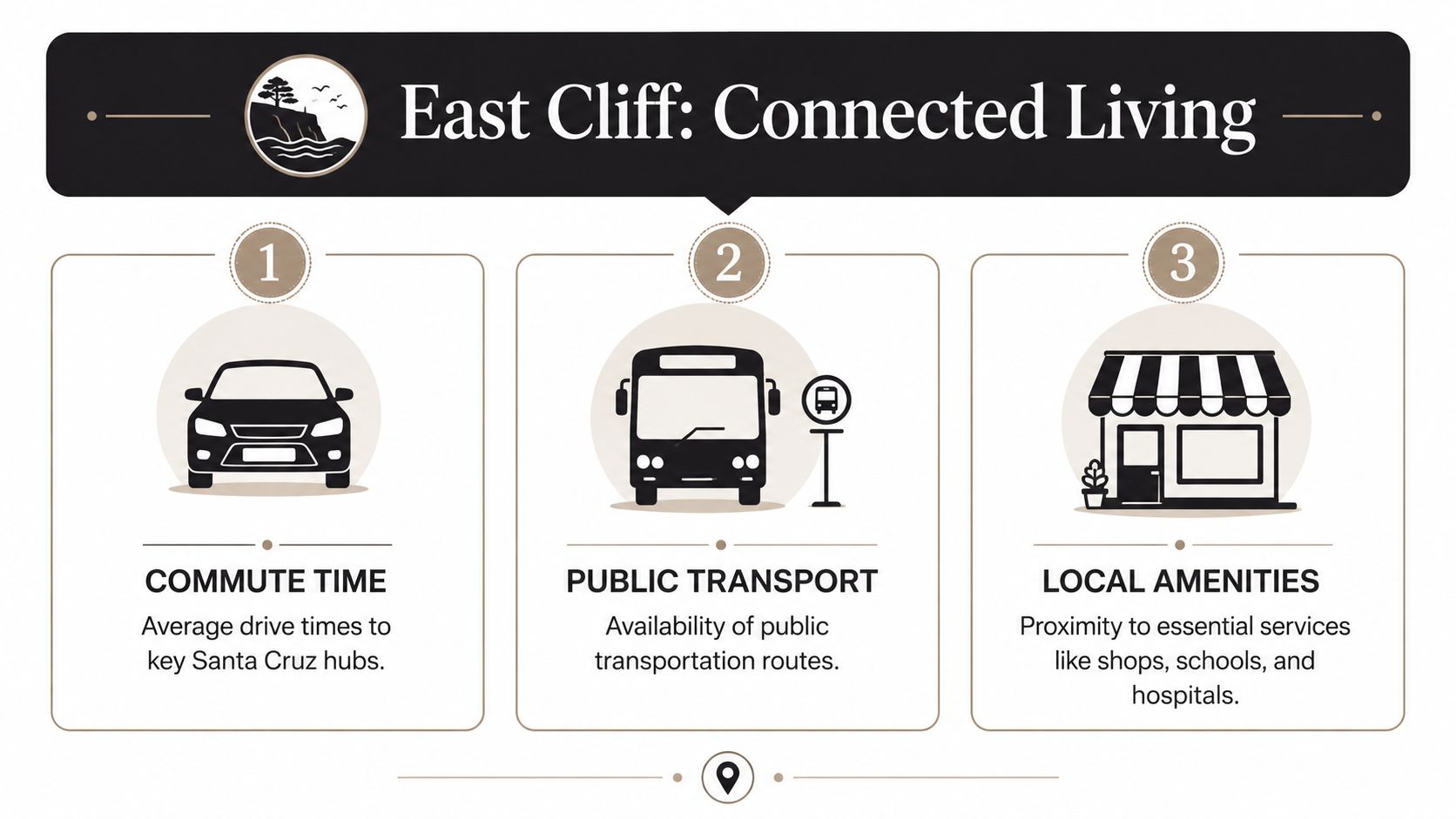
East Cliff tends to make sense for buyers who want coastal living without feeling cut off from the rest of Santa Cruz. The neighborhood sits in a position that allows relatively straightforward movement toward downtown, Capitola, and Highway 1 connections, while still feeling distinctly coastal once you're back on local streets.
How to evaluate the location in practical terms
The best way to judge East Cliff's location is to separate
three questions.
- How often do you need to cross town?
If your week includes frequent trips toward downtown Santa Cruz or other service hubs, your exact street position matters more than the neighborhood label.
- How dependent are you on Highway 1 access?
Some buyers commute outside the immediate area and need a route that feels manageable during ordinary weekday patterns.
- How local is your routine?
If groceries, medical appointments, coffee stops, and beach walks make up most of your week, East Cliff can feel very efficient.
Services and day-to-day convenience
East Cliff isn't a fully self-contained village, but it does support a practical routine. Residents typically rely on nearby commercial areas for groceries, dining, medical offices, and household errands. Public transportation is available in the broader Santa Cruz system, and buyers who use it regularly should verify stop locations and route frequency during their own due diligence.
A simple way to assess fit is to test the neighborhood in sequence rather than in isolation:
- Drive the errand loop: Go from a likely home location to groceries, a pharmacy, and your usual service stops.
- Check weekday timing: A route that feels easy mid-morning may feel different at commute hours.
- Look at access on foot: If walkability is important, don't stop at map review. Walk the surrounding streets and crossings yourself.
A coastal address feels better over time when the routine is simple. The scenery is a bonus. The logistics still have to work.
Keep the evaluation factual
When buyers get serious about East Cliff Santa Cruz, I usually recommend treating it like a working neighborhood first and a scenic setting second. Check where you'll park, where you'll turn, how long basic errands feel, and whether the route home is calm or frustrating at the times you'll be using it.
That approach keeps the decision grounded. It also helps you separate a home you enjoy visiting from a home that supports everyday life.
Important Considerations for Coastal Properties
A house on East Cliff can look excellent at 2 p.m. on a sunny Saturday and still raise hard ownership questions once inspections begin. That is normal for this part of Santa Cruz. Buyers who do well here stay disciplined about the site itself, not just the house sitting on it.
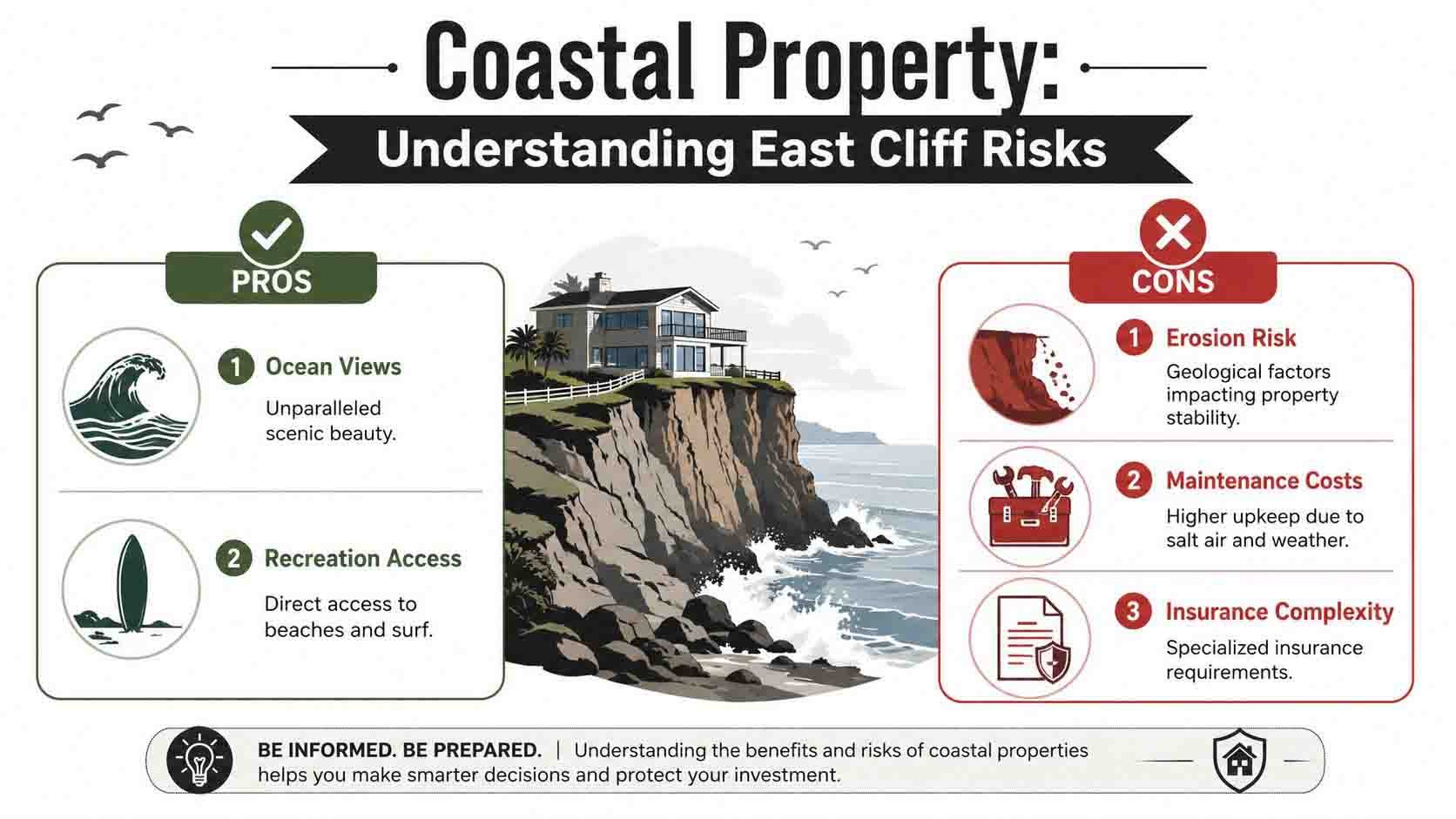
The first issue is the ground under and around the property. The Santa Cruz County geological analysis of the East Cliff shoreline describes shoreline conditions shaped by the Purisima Formation, with high wave energy at the cliff base that can speed erosion and undercutting. For owners, that can affect more than bluff-top lots. Drainage patterns, retaining elements, hardscape, and the long-term performance of exterior improvements all deserve closer review near the coast than they would on a comparable inland purchase.
What that means during due diligence
In practice, I look for whether a buyer is evaluating the parcel with enough precision. Bluff position matters. Surface drainage matters. Cracking, settlement, older retaining work, and past repair history matter. A beautifully updated home can still sit on a site that needs engineering review, better water control, or a different tolerance for ongoing maintenance.
Seismic conditions can add another layer. The Santa Cruz County transportation geology document identifies high liquefaction potential in portions of the coastal trail corridor, including areas in the City of Santa Cruz, where saturated coastal soils and bedrock conditions can contribute to ground failure and slope instability during seismic events.
Questions worth asking before you write an offer
Coastal due diligence should be more specific than a standard home purchase. Good questions include:
- Has the property had a recent engineering or geotechnical review? A report from years ago may not reflect current conditions.
- What do the disclosures say about drainage, movement, repairs, or monitoring? Small wording differences can change the meaning.
- Which improvements are most exposed to coastal wear? Decks, stairs, railings, windows, fasteners, and exterior finishes often age faster here.
- What does upkeep look like over five to ten years? Salt air, moisture, and wind can raise maintenance costs well beyond the mortgage payment.
- How might changing shoreline access or public improvements affect this block? East Cliff access paths and resiliency work continue to evolve, and buyers should understand what is planned nearby.
One of the clearest trade-offs in East Cliff is that proximity to the water often comes with a longer maintenance list. That does not make a property a poor choice. It means the buyer should price the lifestyle and the upkeep together.
Buying near the bluff means buying the house, the site, and the maintenance pattern that comes with both.
Public planning helps, but parcel-level review still decides the risk
County planning efforts are relevant context. The East Cliff Drive Sea Level Rise Resiliency Planning Project outlines work tied to the East Cliff Drive corridor, nearby coastline, sea level rise exposure, and future resiliency planning around public infrastructure and coastal access. That matters because East Cliff is not static. Paths, protective strategies, and access conditions can change over time as agencies respond to erosion and storm impacts.
Still, public planning does not answer the private ownership questions. It does not tell you whether one parcel drains properly, whether an older wall was engineered, whether a bluffside patio is aging well, or whether insurance and reserve budgeting make sense for your situation. Those answers come from disclosures, inspections, specialist review, and a candid assessment of how much coastal maintenance you are willing to take on.
For a useful comparison with another nearby coastal market, see this guide to Aptos oceanfront and inland homes and their key tradeoffs.
An Invitation to Explore East Cliff with Confidence
East Cliff attracts people for understandable reasons. The coastline is immediate, the neighborhood identity is strong, and the daily experience can feel connected to Santa Cruz in a way that's hard to replicate elsewhere. For many buyers, that combination is the point.
The wise approach is to hold two truths at once. East Cliff can be a rewarding place to own property, and it also asks more of an owner than a standard inland purchase might. Access patterns evolve. Coastal maintenance is real. Site conditions matter. The homes that work well over time are usually the ones chosen with a full understanding of those realities.
That doesn't make the neighborhood less appealing. It makes clarity more valuable. If you're considering East Cliff Santa Cruz, the goal isn't to talk yourself into it or out of it. It's to understand exactly what you're buying, how the home supports your routine, and whether the trade-offs align with your priorities.
If a thoughtful, property-specific conversation would help, Mario Desantis is a REALTOR® with Desantis Realty Group. Mario Desantis DRE #02119587. Coldwell Banker/NRT West Inc. DRE #01908304.
If you'd like a calm, informed conversation about buying or selling in Santa Cruz County, Desantis Realty Group is available to help you think through the trade-offs, compare neighborhoods, and move forward with more confidence.