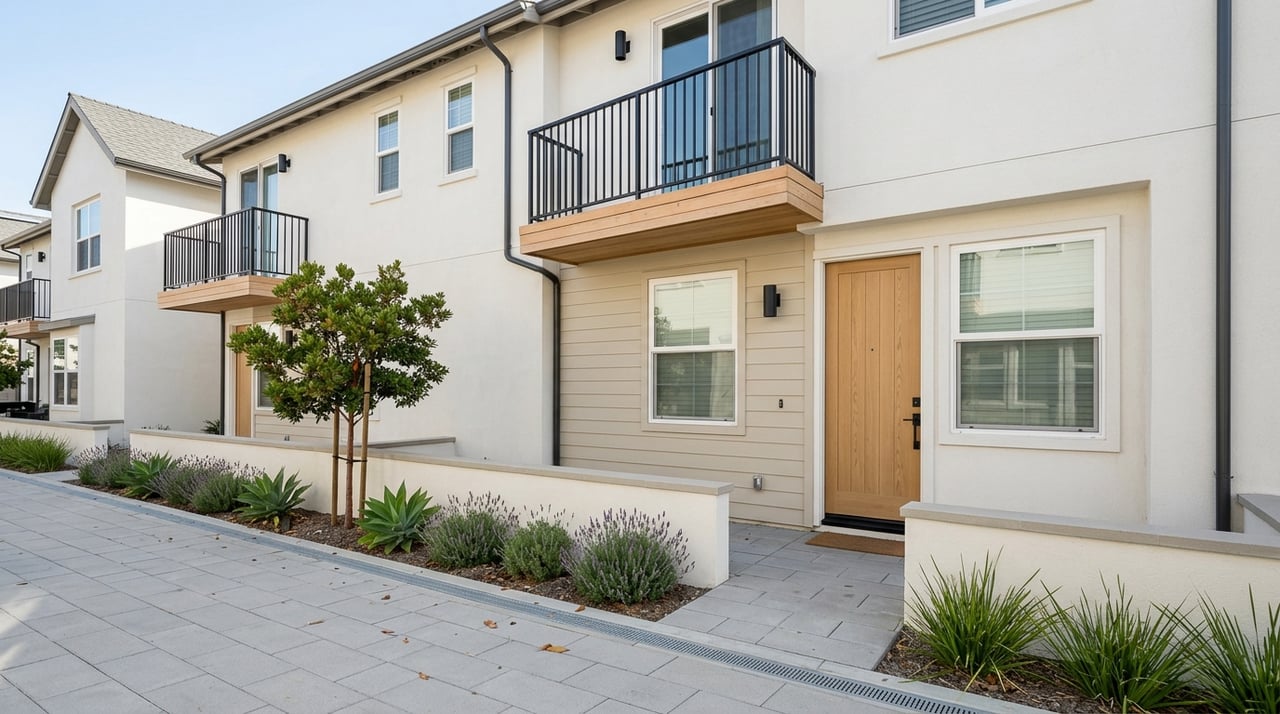
If you want a foothold in Capitola without taking on the full cost and upkeep of a detached home, a condo or townhome can be a smart path. The catch is that attached homes here come with more moving parts than many buyers expect, from HOA finances to parking and insurance details. If you understand those pieces early, you can shop with more confidence and avoid expensive surprises. Let’s dive in.
Capitola Attached Homes at a Glance
Capitola is a small coastal city of nearly 10,000 residents, about 35 miles southwest of San Jose and less than two hours from San Francisco. That location helps keep demand steady, especially for buyers who want a beach-close lifestyle in Santa Cruz County. Because the city is compact, condo and townhome inventory can feel limited.
Market conditions also matter. In April 2026, Realtor.com described Capitola as a seller’s market, with 39 homes for sale, a median list price of $1.155 million, a median sold price of $1.025 million, and a median 33 days on market. Redfin also described the market as very competitive.
For attached homes, pricing can vary widely. Redfin showed 11 condos for sale at a median listing price of $634,000 and 3 townhouses for sale at a median listing price of $1.1 million, while active condo listings ranged from about $489,000 to $1.699 million. In Capitola, price is often shaped by location, views, condition, parking, and building quality more than by a simple citywide average.
Condo vs Townhome in California
One of the biggest misconceptions is that a townhome is always a different ownership type from a condo. In California, a townhome is an architectural style, not a legal ownership category. That means a home that looks like a townhome may still be legally structured as a condo or another type of common-interest development.
For you as a buyer, that means the documents matter more than the label in the listing. Before you fall in love with the floor plan, it is important to understand what you actually own, what the HOA maintains, and what your monthly dues support. This affects cost, control, insurance, and long-term risk.
Why HOA Documents Matter
In a Capitola condo or townhome community, the CC&Rs are a big part of the ownership experience. These documents spell out owner rights, association authority, and rules for shared spaces and property use. HOA boards can also enforce rules, levy fines, and restrict access to common-area amenities when rules are not followed.
That may sound technical, but it plays out in everyday life. Rules may affect exterior changes, design choices, pet-related policies in common areas, parking use, and how shared amenities are used. If you want flexibility, you should read these documents carefully before you commit.
What to Review in HOA Finances
Monthly HOA dues are only part of the story. According to California Department of Real Estate guidance, HOA budgets generally include fixed costs, operating costs, reserves, administration, and contingency funds. If regular assessments are not enough, a special assessment may be used.
There is also an important limit to know. Without member approval, special assessments in a fiscal year generally cannot exceed 5 percent of the HOA’s gross budgeted expenses. Even so, special assessments can still affect your housing costs, so it is worth reviewing the association’s financial health before you buy.
A strong review usually includes these questions:
- How much are the monthly dues?
- What do the dues cover?
- How much money is held in reserves?
- Are any special assessments pending or being discussed?
- Have major repairs already been completed, or are they still coming?
Reserve Studies and Future Costs
California law requires at least a visual inspection of major components every three years, plus annual board review of the reserve study. The association must also disclose whether reserves are projected to be sufficient over the next 30 years and what percent funded the reserves are.
This is one of the most useful tools for comparing attached homes in Capitola. A lower HOA fee may look attractive at first, but if the reserves are underfunded, you may face larger costs later. On the other hand, a higher monthly due may reflect better planning for roofs, exterior surfaces, private roads, or shared systems.
Insurance Questions to Ask Early
Insurance is another area where attached-home buyers need clarity. The California Department of Insurance says condo unit-owner insurance typically covers personal property, loss of use, personal liability, and interior damage or improvements the owner is responsible for. The HOA generally insures the building structure and common areas.
That split is important because it affects both your monthly cost and your risk exposure. You should ask what the HOA master policy covers, what it does not cover, and what deductible applies. You should also ask whether a claim could lead to an owner assessment.
There are additional hazards to understand in California. Standard homeowners and condo policies do not cover earthquake, flood, or landslide damage. Condo owners may also want to ask about loss-assessment coverage, especially if earthquake-related repairs or deductibles could be passed through by the HOA.
Capitola Lifestyle Factors to Weigh
Part of the appeal of Capitola is the setting. Capitola Village faces a wide beach and includes boutiques, galleries, restaurants, the wharf, and summer concerts. The 41st Avenue commercial district also offers shopping, hotels, dining, and Santa Cruz County’s only indoor mall.
That lifestyle can shape what kind of attached home fits you best. If you want to walk to the Village and beach, you may pay a premium for location and possibly accept tighter parking or smaller square footage. If you are open to being a bit farther from the beach core, you may find more value, easier parking, or a layout that better fits daily life.
Popular attached-home search areas include Jewel Box, 41st Avenue, and Loma Vista. These areas can appeal to different priorities, whether you care most about beach access, convenience, or balancing lifestyle with budget.
Parking Matters More Than You Think
In Capitola, parking is not a small detail. Village spaces have short time limits, while the Beach and Village lots offer paid parking. The city also operates a free summer shuttle to the Village on weekends and holidays from Memorial Day weekend through mid-September.
For a condo or townhome buyer, assigned parking can be a major value point. You should confirm how many spaces come with the property, whether they are deeded or assigned by rule, whether guest parking exists, and whether garage access is included. In a coastal town where visitor traffic can pick up, parking convenience can shape both your daily routine and future resale appeal.
Features Buyers Often Prioritize
Current Capitola condo listings highlight features like ocean views, landscaped common areas, dog-friendly grounds, ground-floor single-story layouts, and garage or parking access. Current townhome listings often emphasize end-unit placement, private patios or backyards, flex rooms, and HOA dues that meaningfully affect the monthly payment.
That tells you something useful about the market. Buyers are not just comparing square footage. They are comparing ease of living, privacy, outdoor space, parking, and how much the HOA supports or limits the lifestyle they want.
A Smart Condo or Townhome Buying Checklist
When you are comparing properties in Capitola, it helps to stay focused on a short list of high-impact questions.
Ownership and legal structure
- Is the property legally a condo or another common-interest development?
- What areas are yours alone, and what areas are shared?
- What do the CC&Rs allow or restrict?
Monthly costs and HOA health
- What are the HOA dues?
- What exactly do those dues cover?
- Are reserves well funded?
- Are special assessments pending or likely?
Insurance and risk
- What does the HOA master policy insure?
- What deductible applies to the association policy?
- What unit-owner coverage will you need?
- Is loss-assessment coverage worth discussing with your insurance advisor?
Daily livability
- How much parking is assigned?
- Is there garage storage or extra space?
- How close are you to the Village, beach, or 41st Avenue services?
- Do the layout and rules fit how you actually want to live?
Why Local Guidance Helps in Capitola
Capitola attached homes can look simple on the surface, but every community has its own rules, financial picture, and lifestyle tradeoffs. Two properties with similar prices can feel very different once you factor in reserves, insurance exposure, parking, and proximity to the coast. That is why local context matters.
When you work with a team that knows Santa Cruz County neighborhood by neighborhood, you can move beyond listing photos and ask sharper questions early. That kind of guidance can help you compare value more clearly, write a stronger offer in a competitive market, and feel more certain about what you are buying.
If you are thinking about buying a condo or townhome in Capitola, Desantis Realty Group can help you evaluate communities, compare attached-home options, and navigate the process with local insight and concierge-level support.
FAQs
What is the difference between a condo and a townhome in Capitola?
- In California, a townhome is an architectural style, not a legal ownership category, so you need to review the property’s governing documents to understand the actual ownership structure.
What should buyers review in a Capitola HOA before buying?
- You should review the CC&Rs, monthly dues, reserve funding, what the dues cover, and whether any special assessments are pending or being discussed.
How much do condos and townhomes cost in Capitola?
- Pricing varies widely by location, views, condition, parking, and building quality, with recent attached-home listings ranging from roughly the high $400,000s to well above $1 million.
What insurance do condo buyers need in Capitola?
- Condo unit-owner insurance typically covers your personal property, liability, loss of use, and certain interior items, while the HOA generally covers the building structure and common areas.
Why is parking important when buying in Capitola?
- Parking can strongly affect convenience and value because Village parking includes time limits and paid lots, so assigned spaces, garage access, and guest parking are worth confirming early.
Which Capitola areas are common for condo and townhome searches?
- Buyers often look in areas such as Jewel Box, 41st Avenue, and Loma Vista, depending on whether they prioritize beach access, convenience, or value.